Outdoor tiles are one of the best ways to extend your living space and create real indoor-outdoor flow. But Wellington's wind, rain and occasional frost are tough on outdoor surfaces. Tiles that look great inside can become dangerously slippery or crack outside. Here's what to look for in outdoor tiles in NZ, and how to make them last.
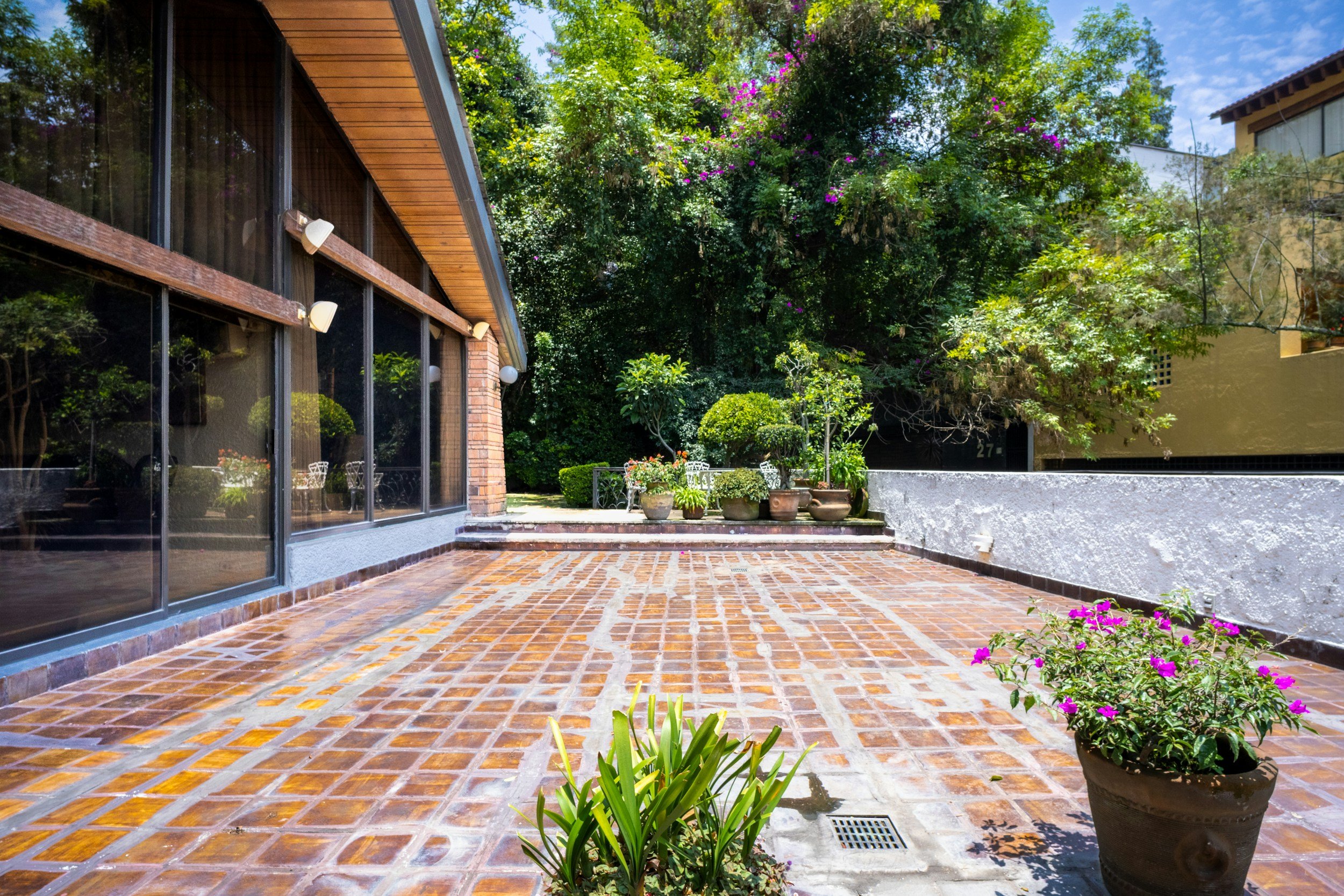
What makes a tile suitable for outdoors?
Slip resistance. This is the most important factor. A wet outdoor tile needs to grip.
Low water absorption. Porcelain absorbs very little water, so it stands up to rain and frost.
Frost resistance. Look for tiles rated frost-resistant if you're in a colder spot, such as Upper Hutt or the Wairarapa.
Thickness. Standard outdoor tiles are around 10mm. 20mm porcelain pavers are much stronger and can be laid in more ways.
Slip ratings for outdoor tiles
NZ Building Code clause D1 requires access routes, such as the path to your front door, to have a slip-resistant surface in wet conditions. The acceptable solution D1/AS1 sets a minimum of SRV 39 on the wet pendulum test (the AS 4586 standard). In practice:
Look for outdoor tiles rated P4 or P5 on the wet pendulum test, especially for steps, ramps and pool surrounds.
Avoid polished or gloss tiles outdoors altogether.
On slopes and steps, a higher rating is needed, as the required slip resistance rises with the slope.
10mm outdoor tiles vs 20mm porcelain pavers
10mm outdoor tiles
How they're laid: Glued to a concrete slab or screed
Best for: Patios on concrete, matching an indoor floor
Strength: Good on a solid base
20mm porcelain pavers
How they're laid: On a screed, gravel, grass or adjustable pedestals
Best for: Decks, roof terraces, garden paths, uneven ground
Strength: Very strong; can take vehicles when bonded to a screed
Adjustable pedestals are a great option for Wellington homes. They let you set outdoor tiles level with your interior floor, and water drains away underneath.
Can you tile over a timber deck?
Not directly. Timber moves with moisture and temperature, which will crack tiles and grout. Options include replacing the deck with a waterproofed substrate designed for tiling, or using 20mm pavers on pedestals over a properly waterproofed deck. Any tiled deck over a living space must be designed and waterproofed correctly, and usually needs building consent.
Getting drainage right
Outdoor tiled areas need a fall so water runs away from the house.
Movement joints are essential outdoors, where tiles heat up and cool down more than they do inside.
Use exterior-grade adhesives and grouts that are flexible and frost-resistant.
Matching indoor and outdoor tiles
Many ranges come in matching indoor and outdoor versions: the same look, with a smoother finish inside and a grip finish outside. Laid at the same level, this creates seamless indoor-outdoor flow.
Looking after outdoor tiles
Sweep regularly and wash with a pH-neutral cleaner. In shady, damp areas, check for moss and algae, which make any surface slippery. Re-seal natural stone pavers as recommended.
Outdoor tiling in Wellington
All About Tiles lays outdoor tiles and porcelain pavers across Wellington, the Hutt Valley, Kapiti and Wairarapa, from courtyards and patios to large-format porcelain terraces. See our tiling services or request a free on-site quote.
General information only. Slip resistance requirements depend on where the tiles are laid; check the tile's data sheet and confirm with your designer or council.