Leaking Shower? 8 Warning Signs, Causes and What to Do
A leaking shower is one of the most common, and most expensive, problems in New Zealand homes. Because the water escapes slowly behind the tiles, the damage can go unnoticed for months or years. By the time you see it, the floor framing may be rotten. Here's how to spot a leaking shower early, what causes it, and what to do next.
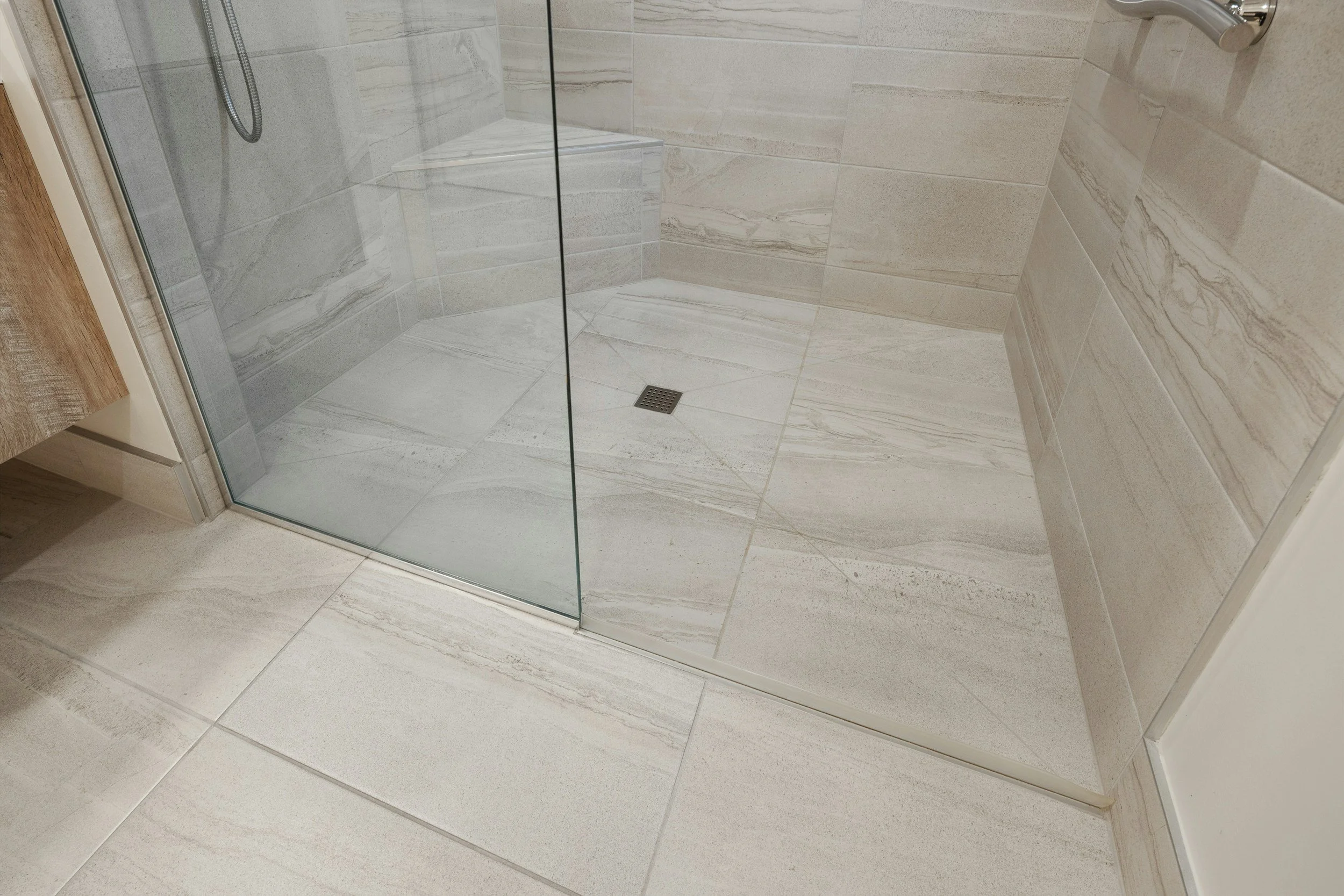
8 warning signs of a leaking shower
Cracked, missing or crumbling grout in the shower.
Grout that stays dark long after the shower has been used.
Mouldy, peeling or loose silicone where the walls meet the floor or the hob.
Loose, drummy or lifting tiles. Tap them; a hollow sound can mean the adhesive has failed.
A soft or spongy floor next to the shower or in the next room.
Water stains on the ceiling below, or on skirting boards and walls next to the bathroom.
Peeling paint or swelling on the bathroom side of the wall or the vanity.
A musty smell that doesn't go away.
What causes a leaking shower?
Failed or missing waterproofing membrane. The most serious cause. Grout and tiles are not waterproof; the membrane underneath is what protects your home.
Cracked grout. Lets water through to the membrane, and through any weak spot in it.
Degraded silicone at the floor-wall junctions, which should be flexible joints.
Leaking drains or waste pipes under the shower floor.
Leaking tapware or pipes inside the wall.
Building movement, which can crack grout and stress joints over time.
A badly installed shower screen that sends water onto the hob or outside the shower.
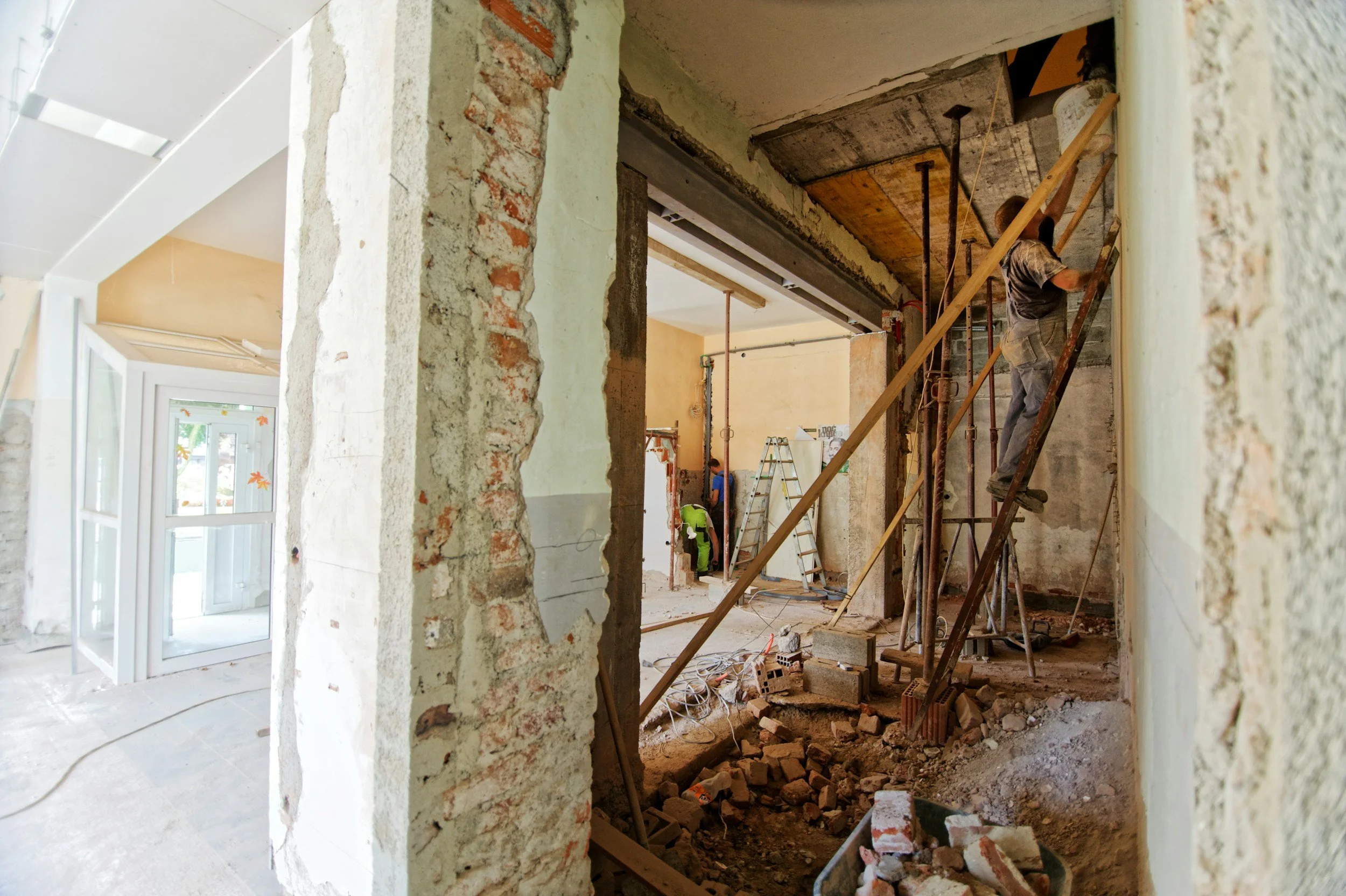
BRANZ notes that leaks are commonly traced to the floor-wall, hob-wall and drain junctions, which is why these details matter so much during installation.
Why you shouldn't wait
Most NZ home insurance policies exclude gradual damage, meaning damage that builds up over time. Tower, for example, notes that leaks from a shower base or recess are generally not covered, even under its hidden gradual water damage benefit. The longer a leak goes on, the bigger the repair, and the more likely you'll be paying for it yourself. Check your own policy wording.
What to do if you think your shower is leaking
Stop using the shower if you can, or keep showers short until it's checked.
Look for the signs above and take photos.
Rule out plumbing. A plumber can check pipes, tapware and the waste for leaks.
Get the tiles and waterproofing assessed by an experienced tiler.
Can a leaking shower be fixed without re-tiling?
Sometimes. If the membrane underneath is sound and the problem is grout or silicone, the fix can be relatively simple:
Re-grouting: removing damaged grout and replacing it, often with a more water-resistant grout.
Re-siliconing: cutting out old silicone and re-sealing the movement joints.
But if water has got past a failed membrane, or the floor or framing is damaged, the only lasting fix is to strip the shower back, repair the framing, and install a new membrane before re-tiling. Sealing over the top of a failed membrane only hides the problem.
Make sure the fix is documented
When a shower is re-waterproofed, ask for a PS3 producer statement. It confirms the membrane was installed to the manufacturer's instructions and is useful for council, insurance and when you sell. Read our guide to bathroom waterproofing and PS3s.
Leaking shower in Wellington?
All About Tiles offers priority repairs for leaking showers and failed tiling across Wellington and the Hutt Valley. We'll find the cause, tell you honestly whether it can be repaired or needs re-waterproofing, and provide a PS3 where required. See our emergency tile repair service or request a free on-site quote.
General information only. Check your insurance policy wording for what is covered.